Under the influence of drugs and/or medication
Although we call ourselves "Promilleadvokaten" (the drink-driving lawyer), we assist everyone – whatever substance you are suspected of having been under the influence of.
The law is also the same. What differs is that it can be harder to establish how impaired a person is when they have taken, for example, amphetamine. If you are under the influence of alcohol, a blood test will show an alcohol level of, say, 0.63 per mille, and it is easy to establish that this is a low alcohol level, so the court can fairly easily decide on the right penalty.
If, however, the blood tests show that the driver had some amphetamine, a little THC and small traces of a sleeping pill in their blood, it is harder for the judges – who have no medical background – to know how high the level of impairment was. This is not mathematics, so the judges cannot simply add up the results. In such a case a medical expert assessment is usually required, which considers not only the measured results but also tolerance.
Limits for drugs and medication
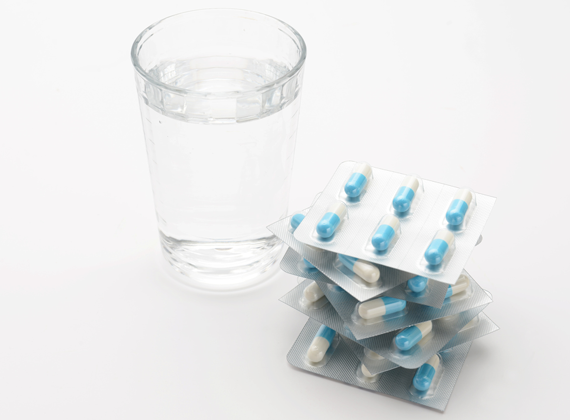
Legal limits
As mentioned in the section above, a specific expert assessment is often needed to establish whether a person under the influence of drugs and/or medication is impaired to an unlawful degree under the Road Traffic Act.
To simplify matters, however, the authorities have also introduced legal limits for drugs and medication. This has been done by setting the limits so high that almost everyone with such high levels will be impaired within the meaning of the Road Traffic Act.
In this way, only a small number of suspects will require an independent and specific expert assessment.
Overview of some substances – on a mobile, or if you want to see all substances on the list, tap here
| Substance | Legal limit (µM whole blood) | Limit equivalent to 0.5 per mille | Limit equivalent to 1.5 per mille |
| Cannabis | |||
| THC | 0,004 | 0,010 | 0,030 |
| Stimulants | |||
| Amphetamine | 0,300 | - | - |
| Cocaine | 0,080 | - | - |